
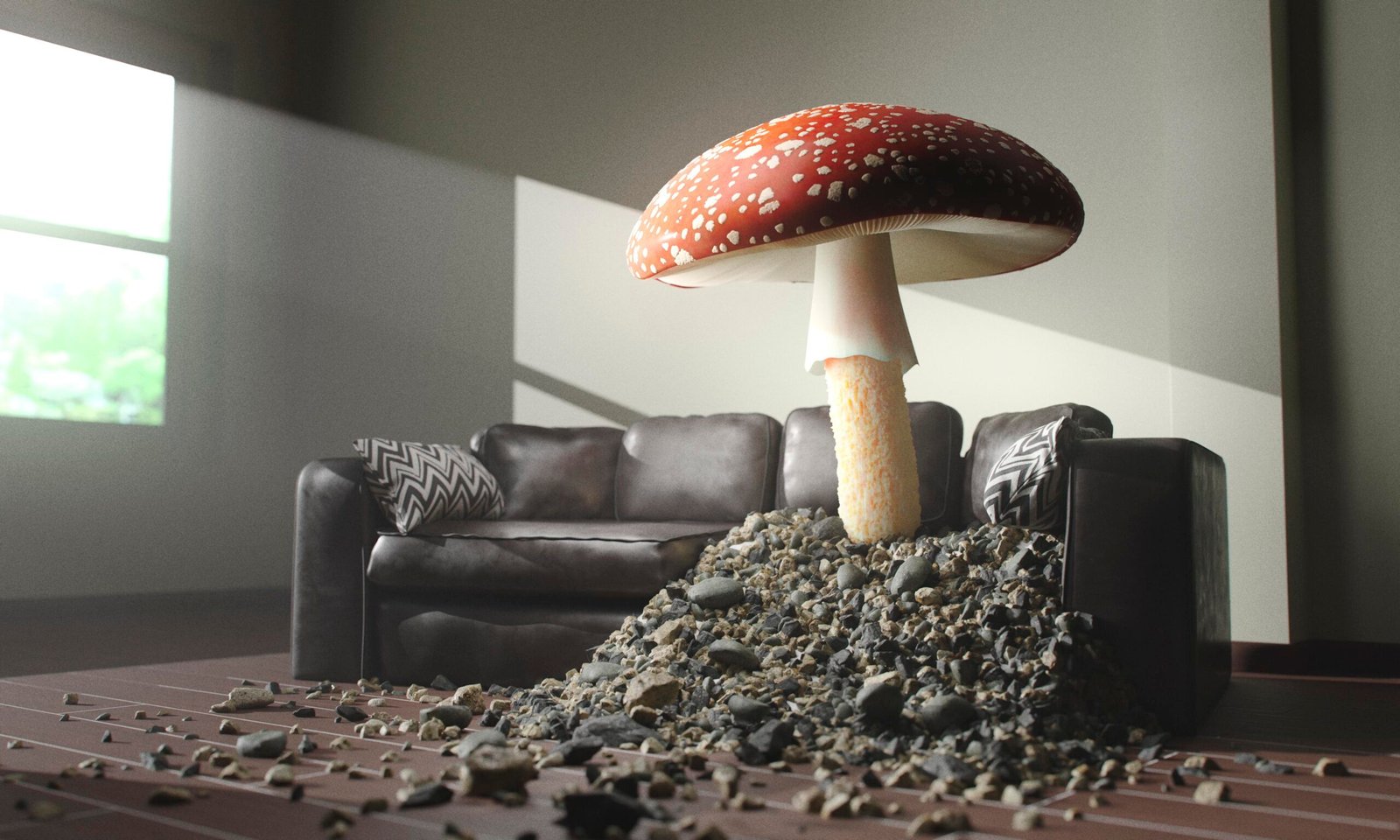
Magic mushrooms, also known as psychedelic or psilocybin mushrooms, have been used for centuries in cultural and spiritual contexts. In recent years, they have attracted renewed attention due to scientific research, mental health applications, and public debates about legalization and regulation. Understanding their effects, safety considerations, and the evolving regulatory landscape is essential for anyone interested in the topic.
What Are Magic Mushrooms?
Magic mushrooms contain psilocybin, a psychoactive compound that converts into psilocin in the human body. Psilocin interacts with serotonin receptors in the brain, particularly the 5-HT2A receptor, leading to altered perception, mood, and cognition.
Effects can include:
-
Visual and auditory hallucinations
-
Altered sense of time and space
-
Enhanced emotional experiences
-
Insights or reflections on personal thoughts and behavior
The intensity and duration of effects vary depending on species, dosage, individual sensitivity, and environmental context. Typically, effects last 4–6 hours when consumed orally.
Modern Scientific Research
Recent studies have explored the therapeutic potential of psilocybin for:
-
Treatment-resistant depression
-
Anxiety associated with terminal illness
-
Obsessive-compulsive disorder
-
Addiction and substance use disorders
Clinical trials emphasize structured therapy, including pre-session preparation, guided psychedelic experiences, and post-session integration. Early results suggest that, under controlled conditions, psilocybin-assisted therapy may produce significant, lasting improvements in mood and mental health for some individuals.
However, research is ongoing, and psilocybin is not a universal treatment. Individual responses vary, and long-term safety data are still limited.
Safety Considerations
While psilocybin is generally considered non-addictive, magic mushrooms are not risk-free. Key safety considerations include:
-
Psychological Effects: Anxiety, panic, or disorientation may occur, particularly in unsupervised settings. People with a history of psychosis or severe mental health disorders are at higher risk.
-
Physical Effects: Nausea, increased heart rate, or mild blood pressure changes may occur. Rarely, higher doses can lead to dangerous behavior if the individual loses situational awareness.
-
Set and Setting: Mental state, environment, and expectations heavily influence experiences. Safe, controlled environments reduce risks.
-
Product Variability: Wild mushrooms may contain toxic species, and inaccurate identification can lead to poisoning.
Clinical studies reduce risks through careful screening, dosing, and supervision.
Regulatory Landscape
Globally, psilocybin mushrooms remain classified as controlled substances in most countries. Legal restrictions often include:
-
Prohibition on cultivation, possession, or sale
-
Strict penalties for distribution
-
Limited exceptions for research or religious use
Some regions have decriminalized psilocybin, meaning possession may not result in criminal charges, but sale or large-scale cultivation remains illegal. Regulatory frameworks are evolving as scientific evidence and public opinion shift.
Public Health and Policy Considerations
Public health experts advocate for balanced discussions that address both potential benefits and risks. Key considerations include:
-
Ensuring accurate information and education to prevent misuse
-
Developing safe therapeutic models for clinical use
-
Respecting cultural traditions while integrating modern science
-
Monitoring trends in recreational use to mitigate harm
Responsible policies focus on harm reduction rather than sensationalism, encouraging informed decision-making.
Cultural and Ethical Context
Magic mushrooms have a long history of use in indigenous and spiritual practices, especially in Central and South America. Ethical considerations involve respecting traditional knowledge and cultural practices while exploring therapeutic applications in modern medicine.
Conclusion
magic mushrooms delivery occupy a unique position at the intersection of tradition, science, and public debate. Modern research highlights potential therapeutic benefits, but safety, psychological risk, and legal status must be carefully considered.
Understanding magic mushrooms in the modern era requires an evidence-based perspective that respects both cultural heritage and scientific inquiry. By balancing curiosity with caution, individuals and policymakers can navigate this evolving landscape responsibly.